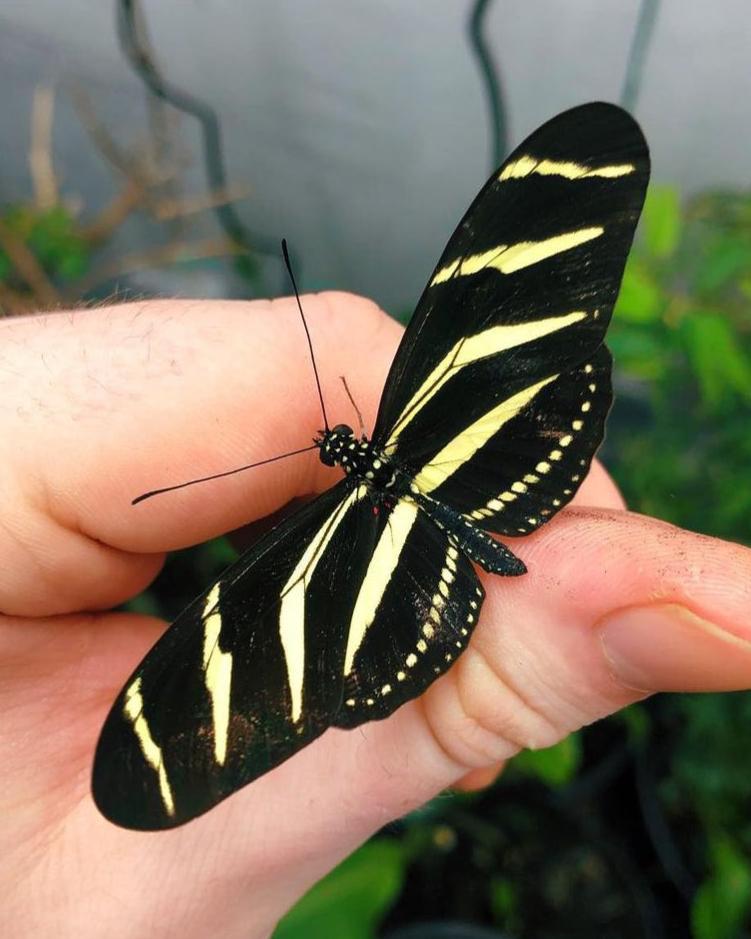
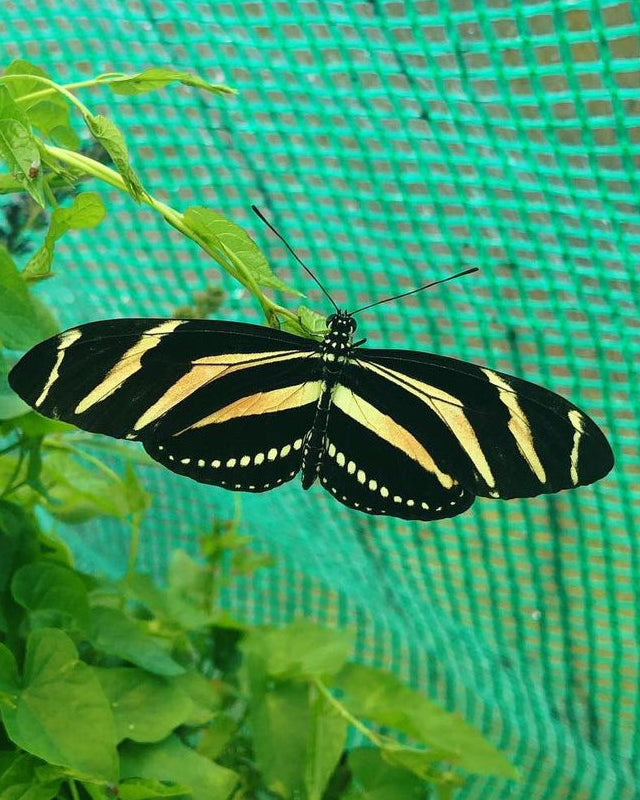
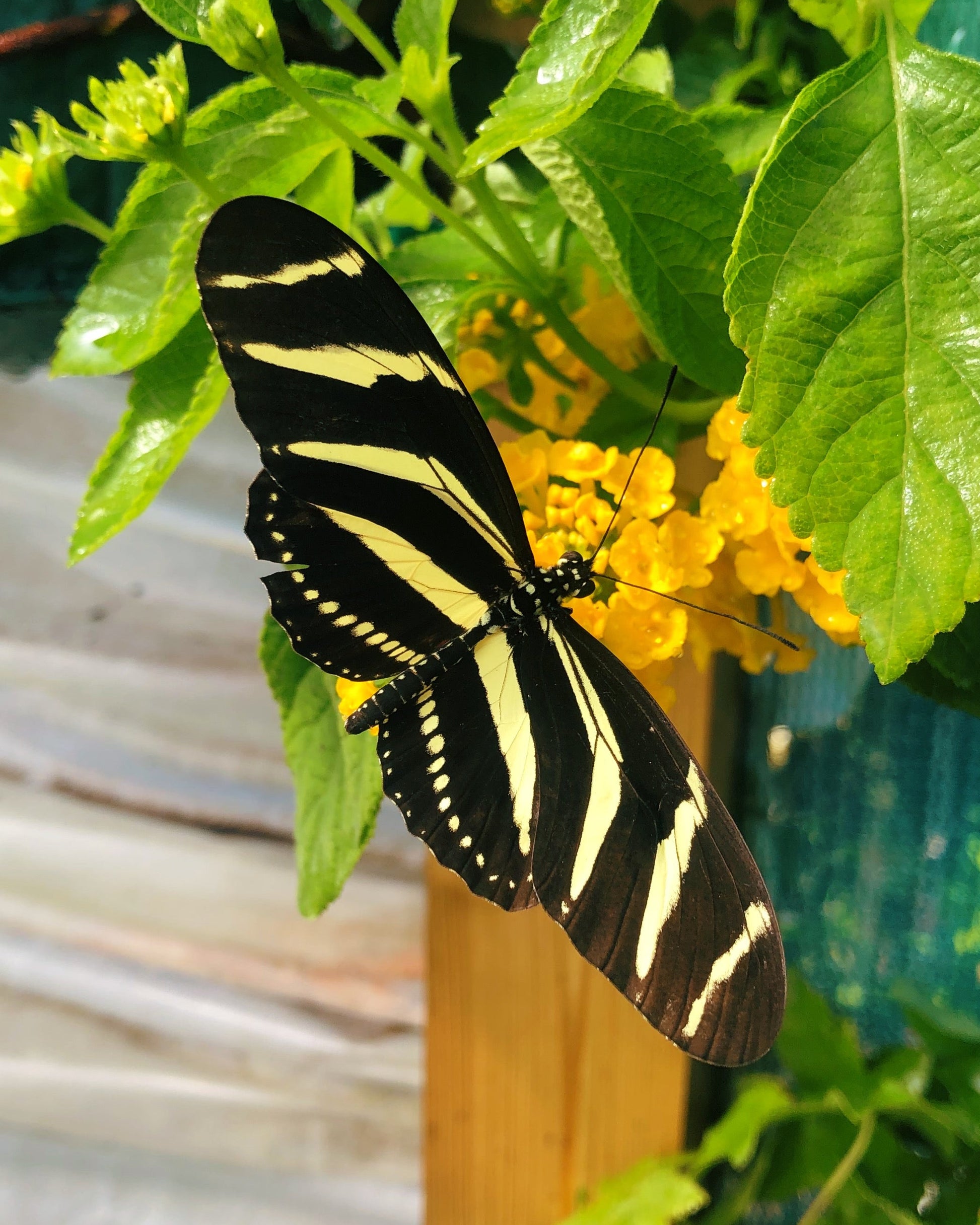
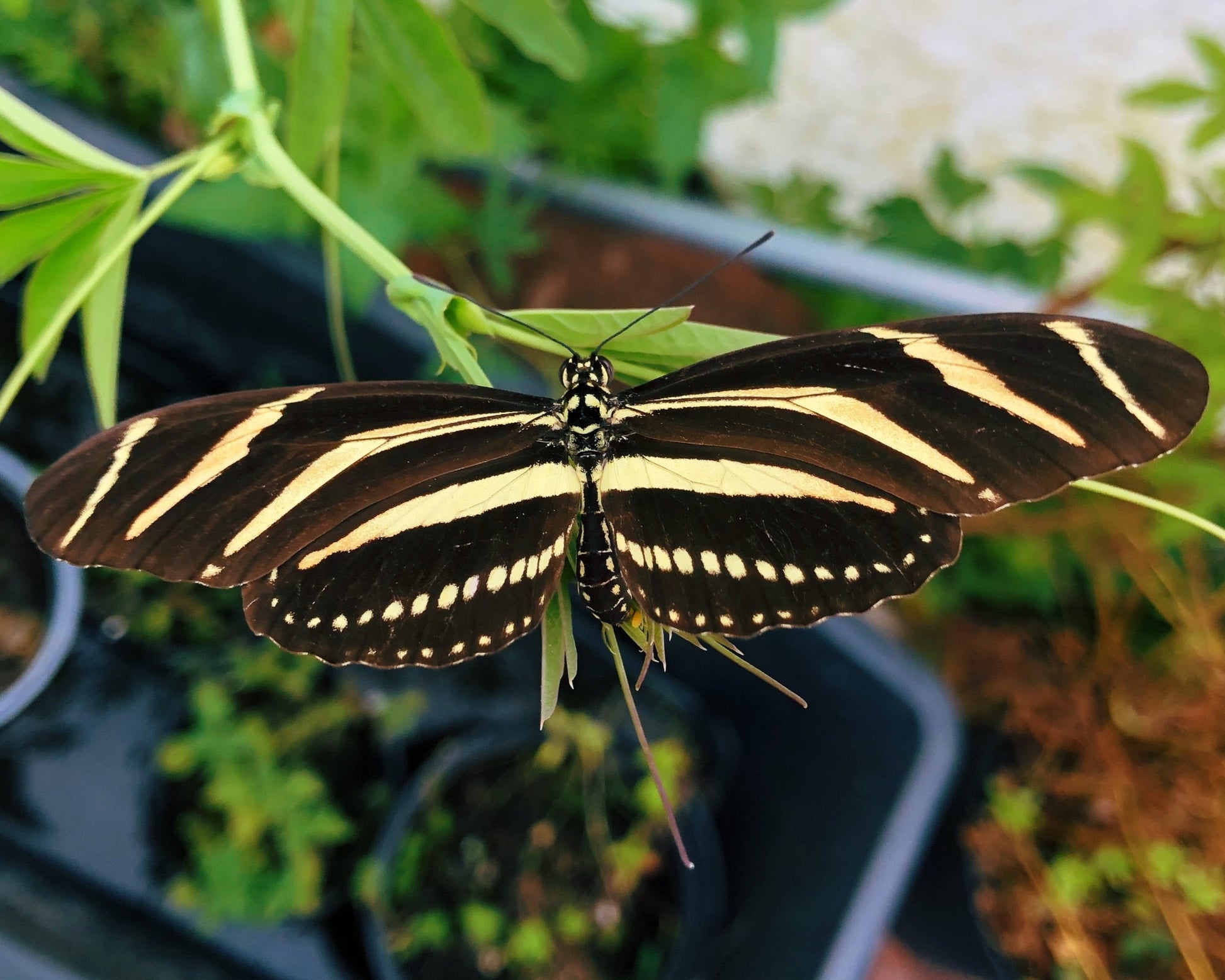
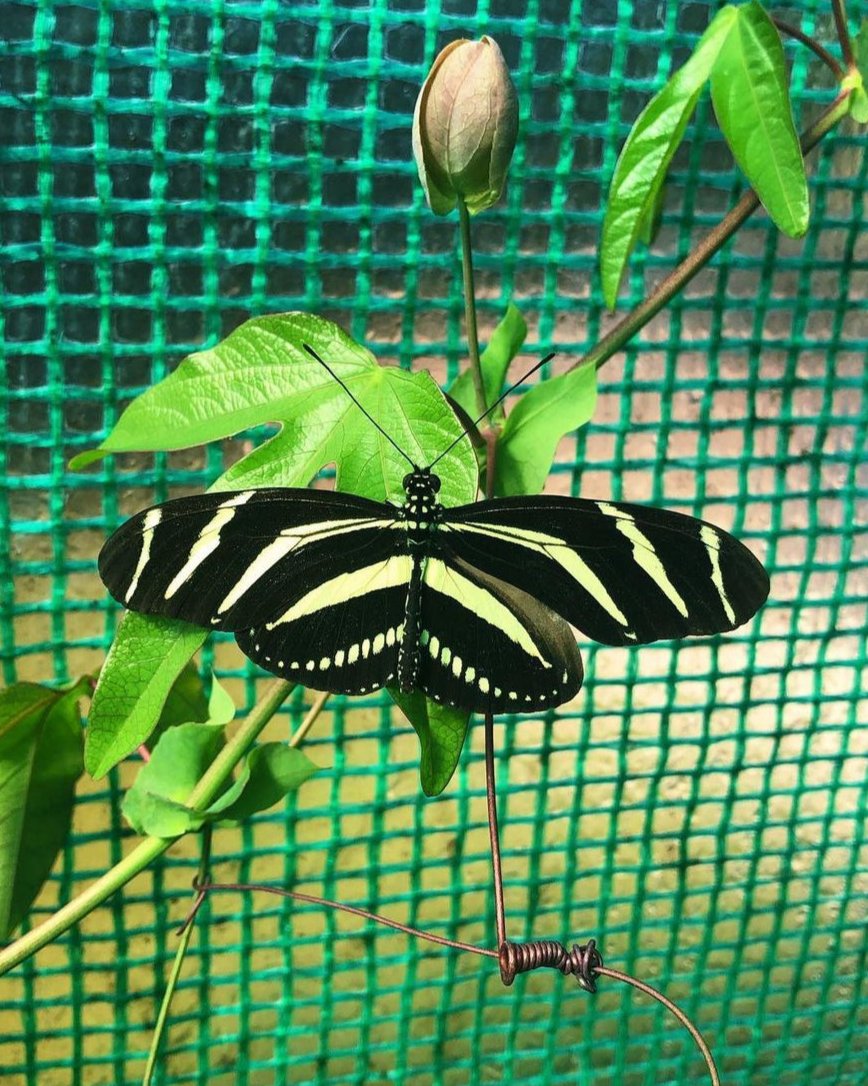
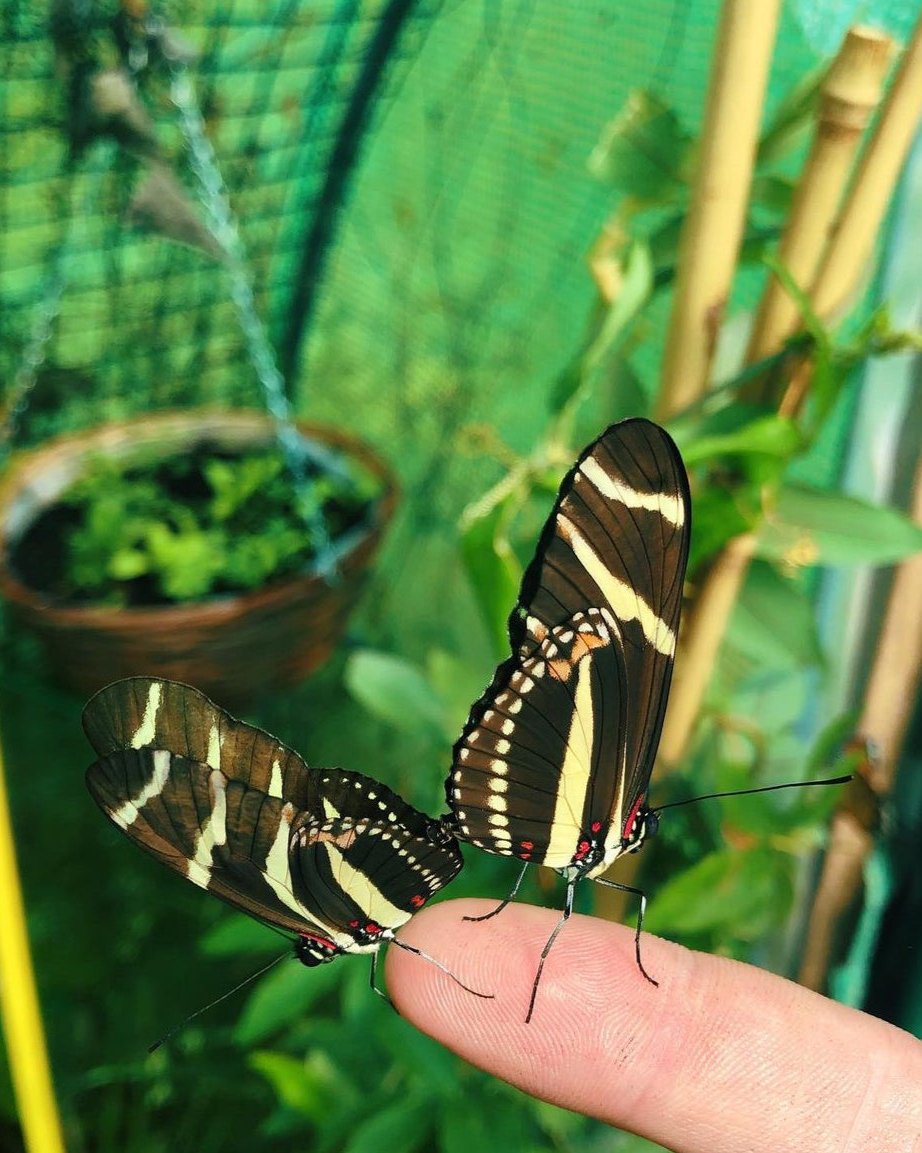
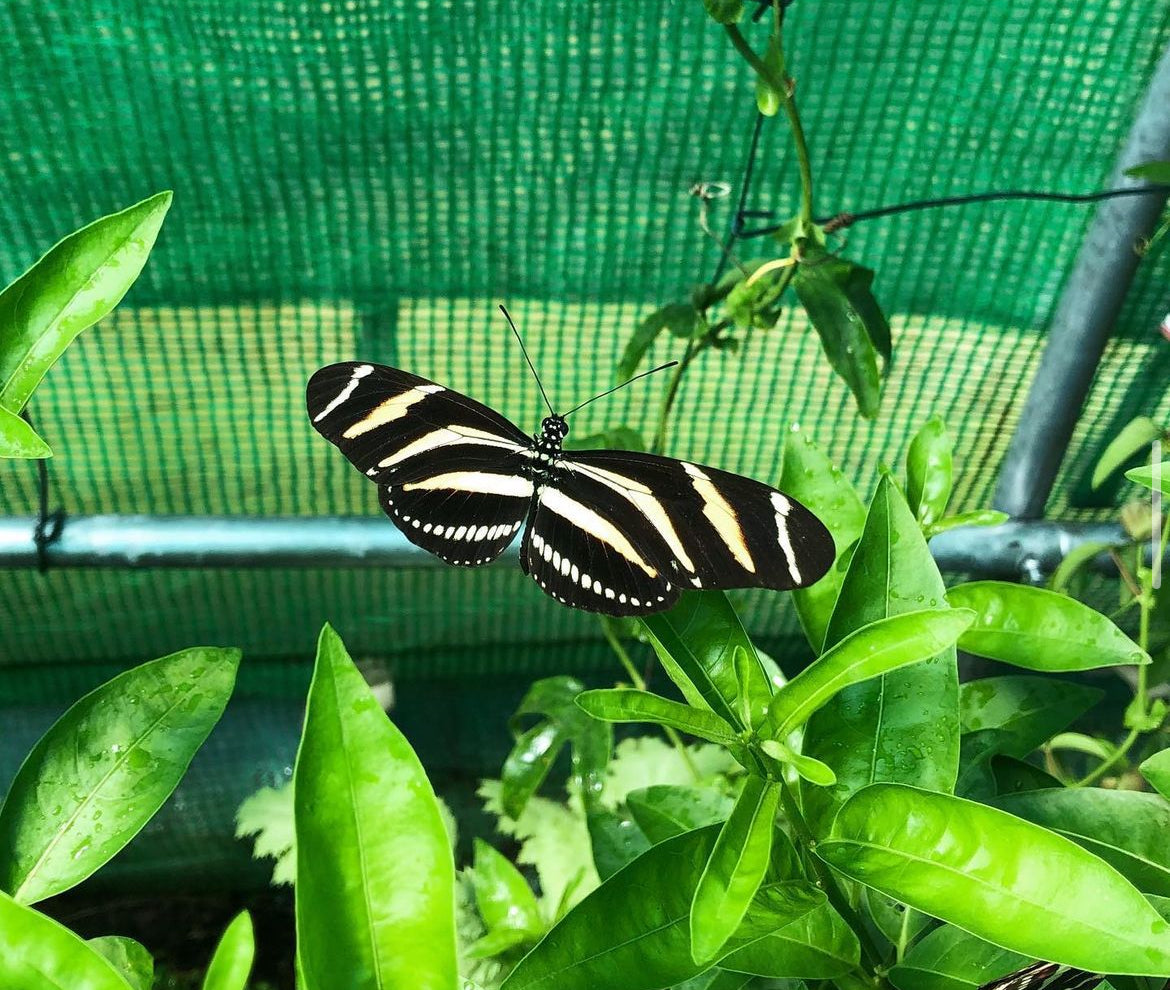
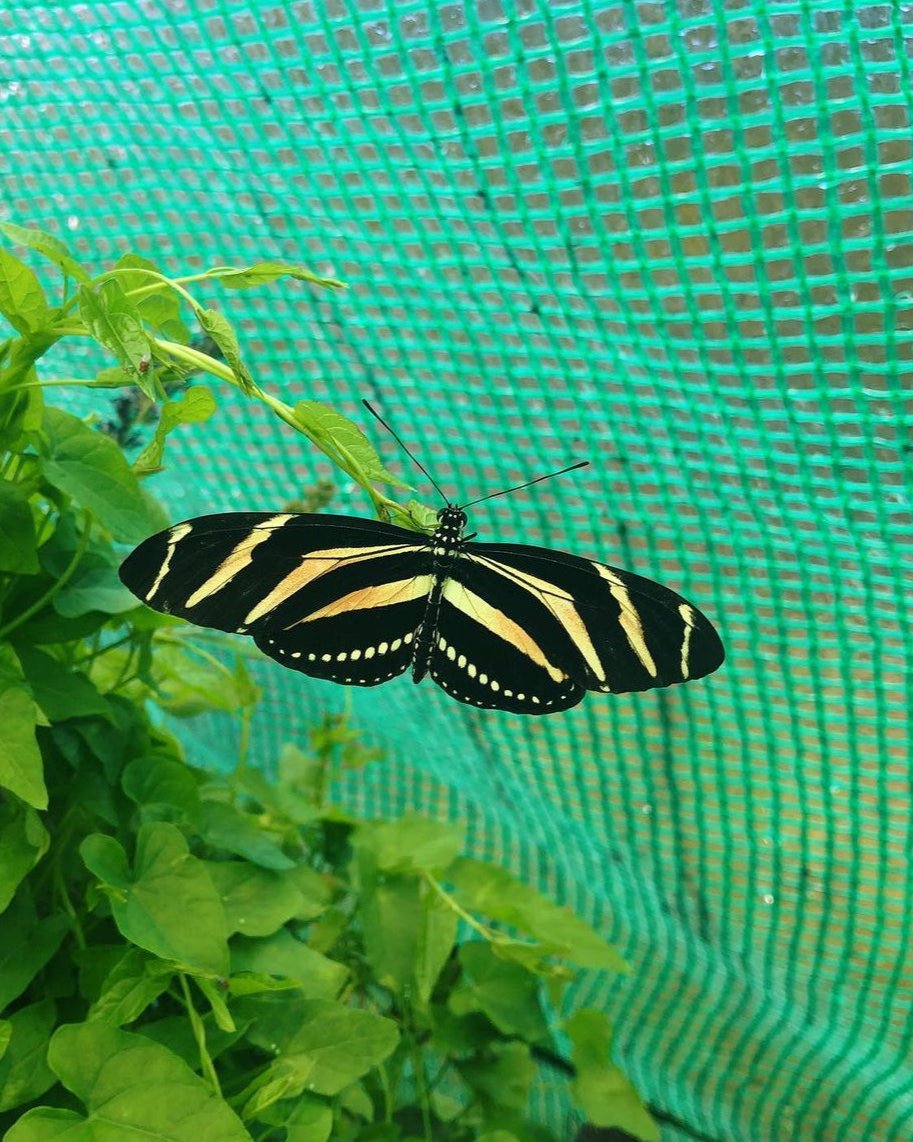
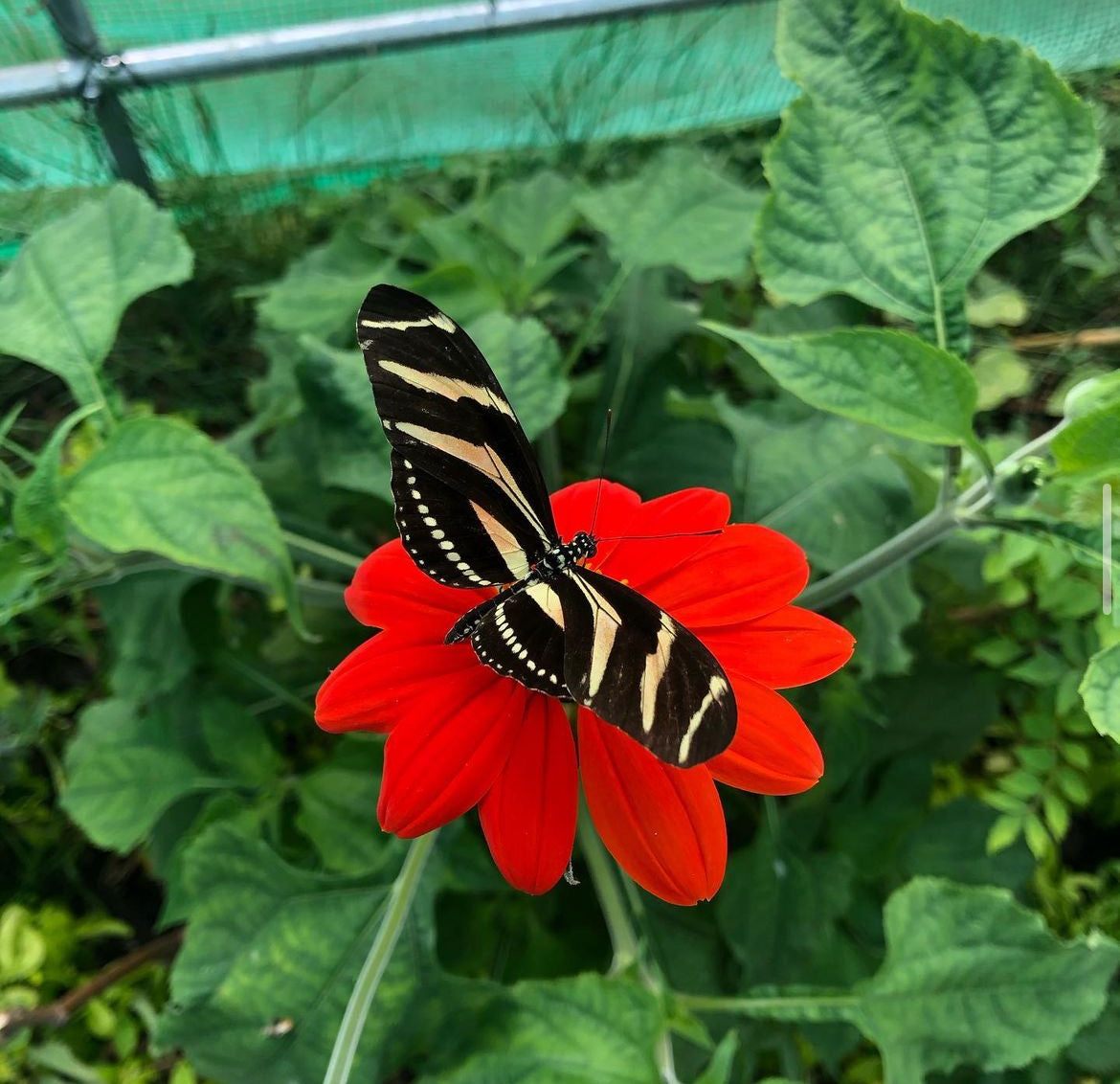
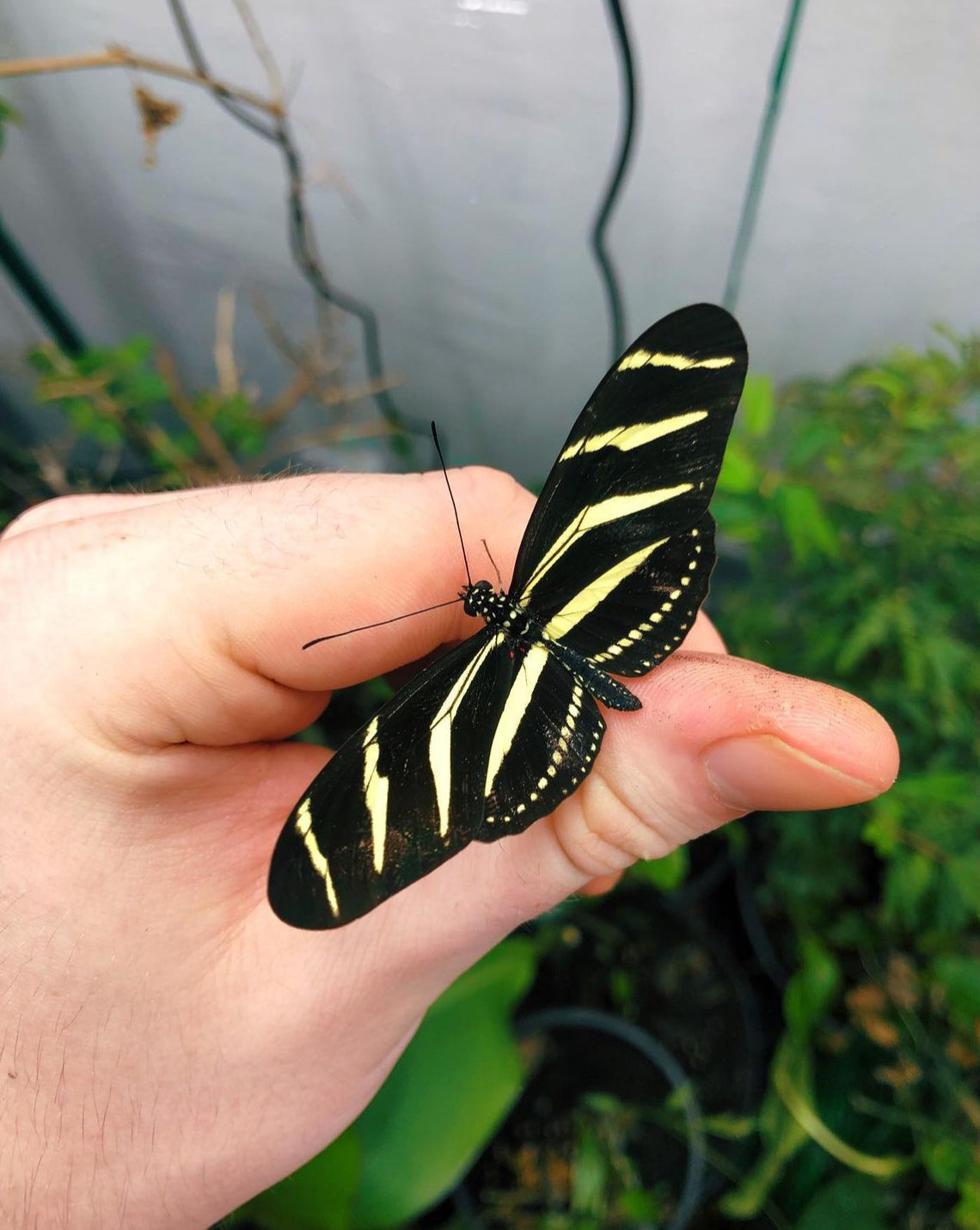
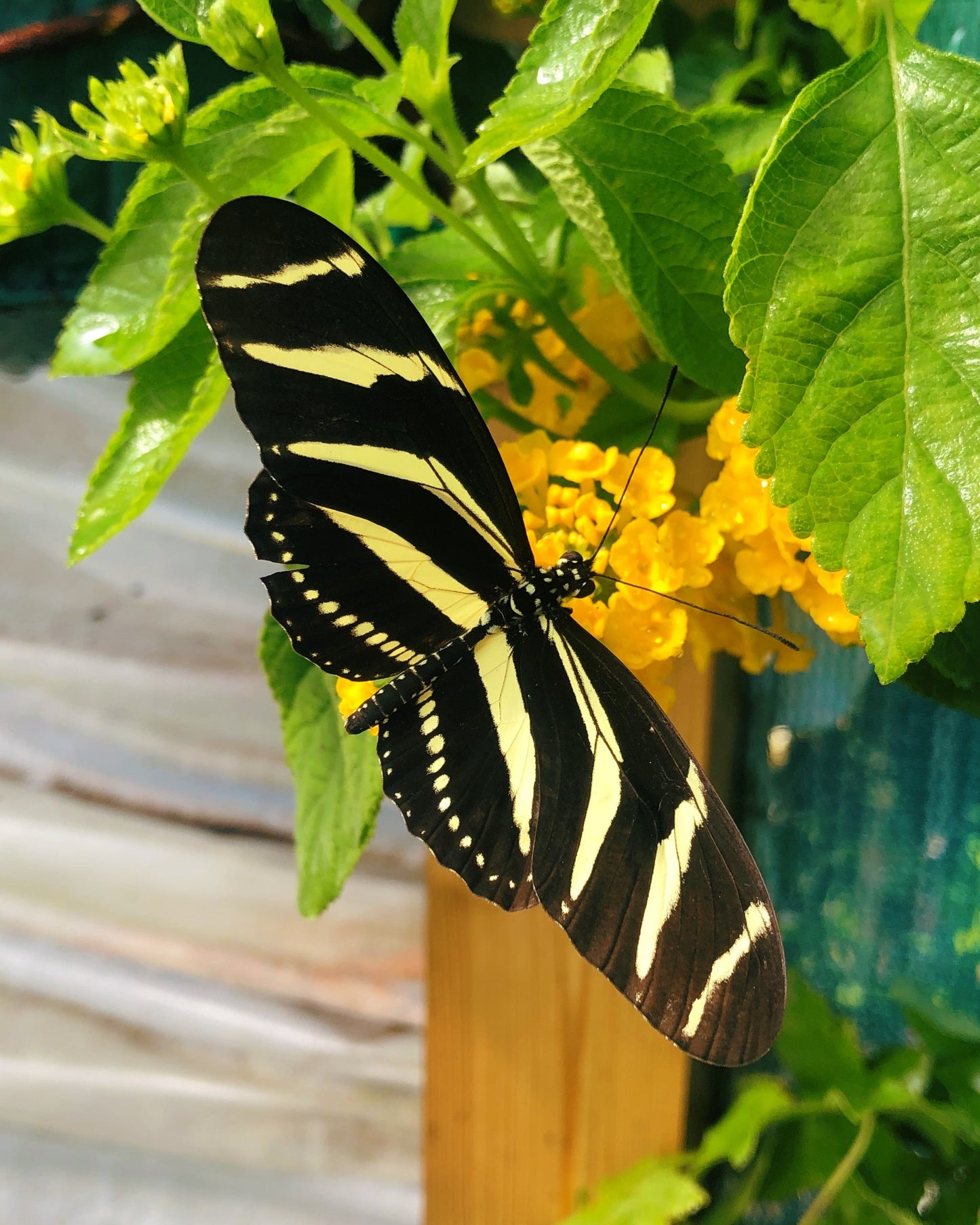
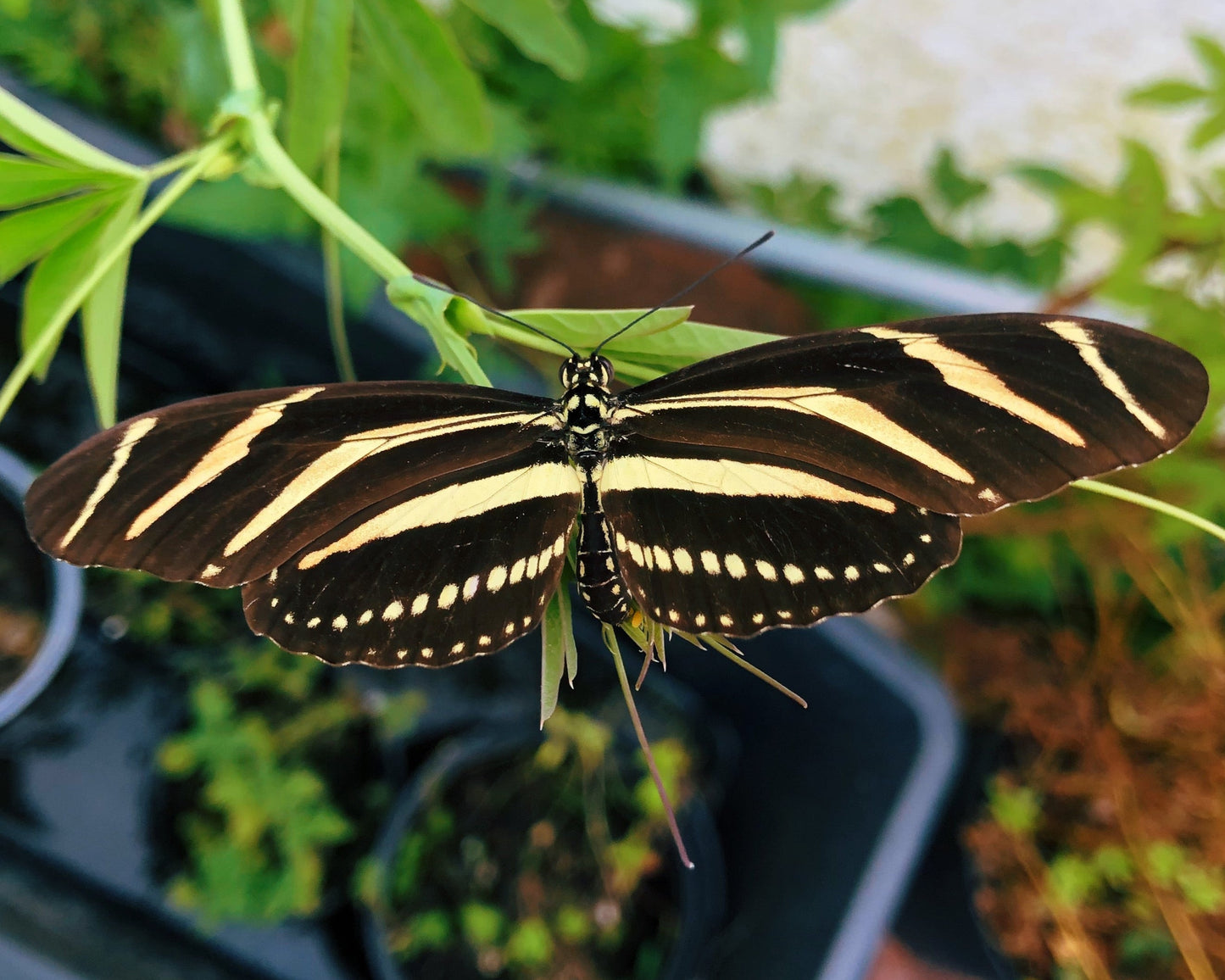
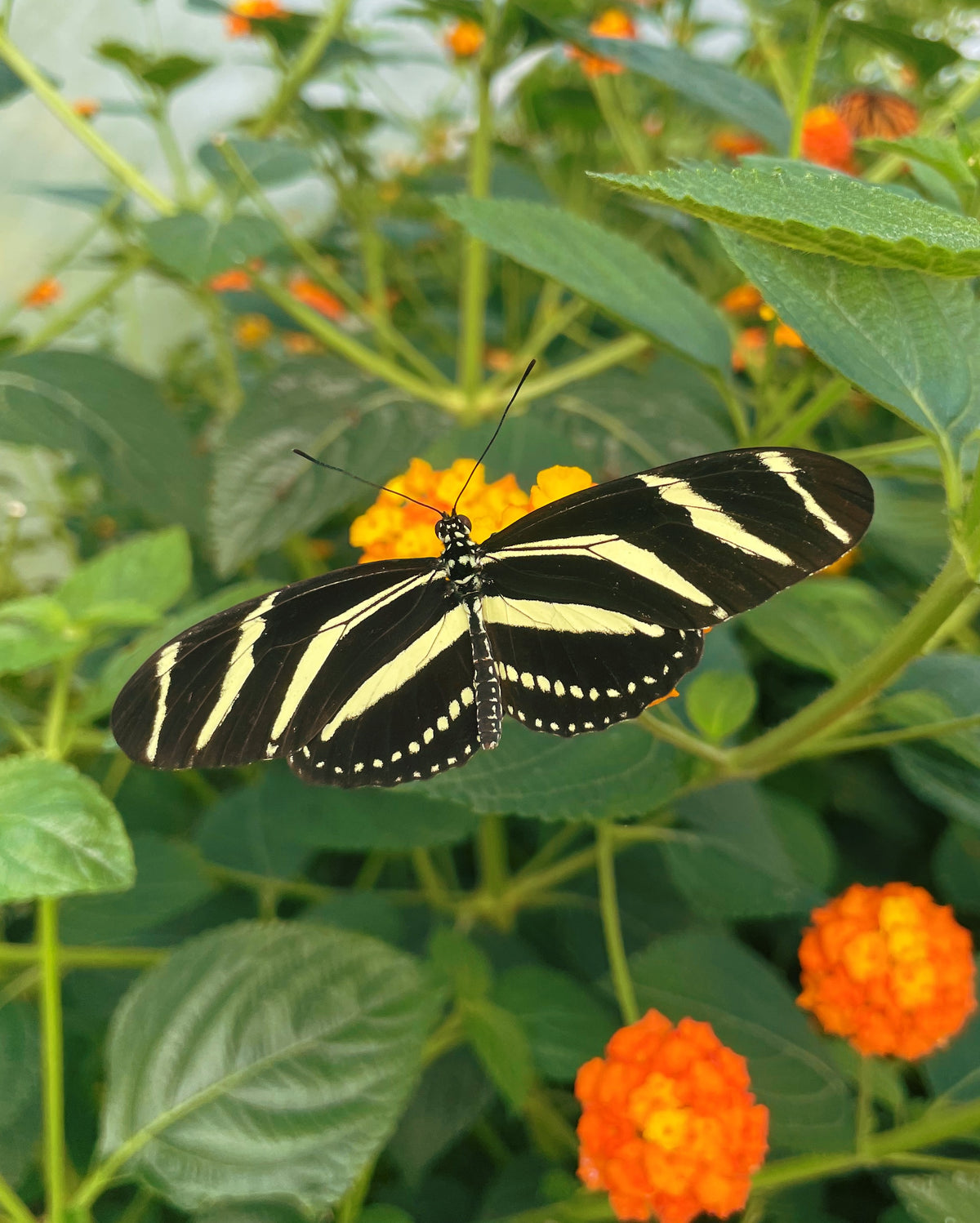
Zebra Longwing Butterfly (Heliconius charithonia)
Care & Rearing Information
-
Host Plants: Passionvines (Passiflora spp.), including Passiflora caerulea (Blue Passionvine)
-
Difficulty Level: Easy (1/10) – high humidity is essential for successful pupation
-
Conditions: Warm room temperature with high humidity
-
Life cycle: Continually brooded; adults are exceptionally long-lived
Heliconius charithonia, commonly known as the Zebra Longwing butterfly, is one of the most recognisable and long-lived butterfly species in the world. Native to Central America, the Caribbean, the southern United States, and much of South America, this striking butterfly belongs to the Heliconiinae subfamily within the Nymphalidae family.
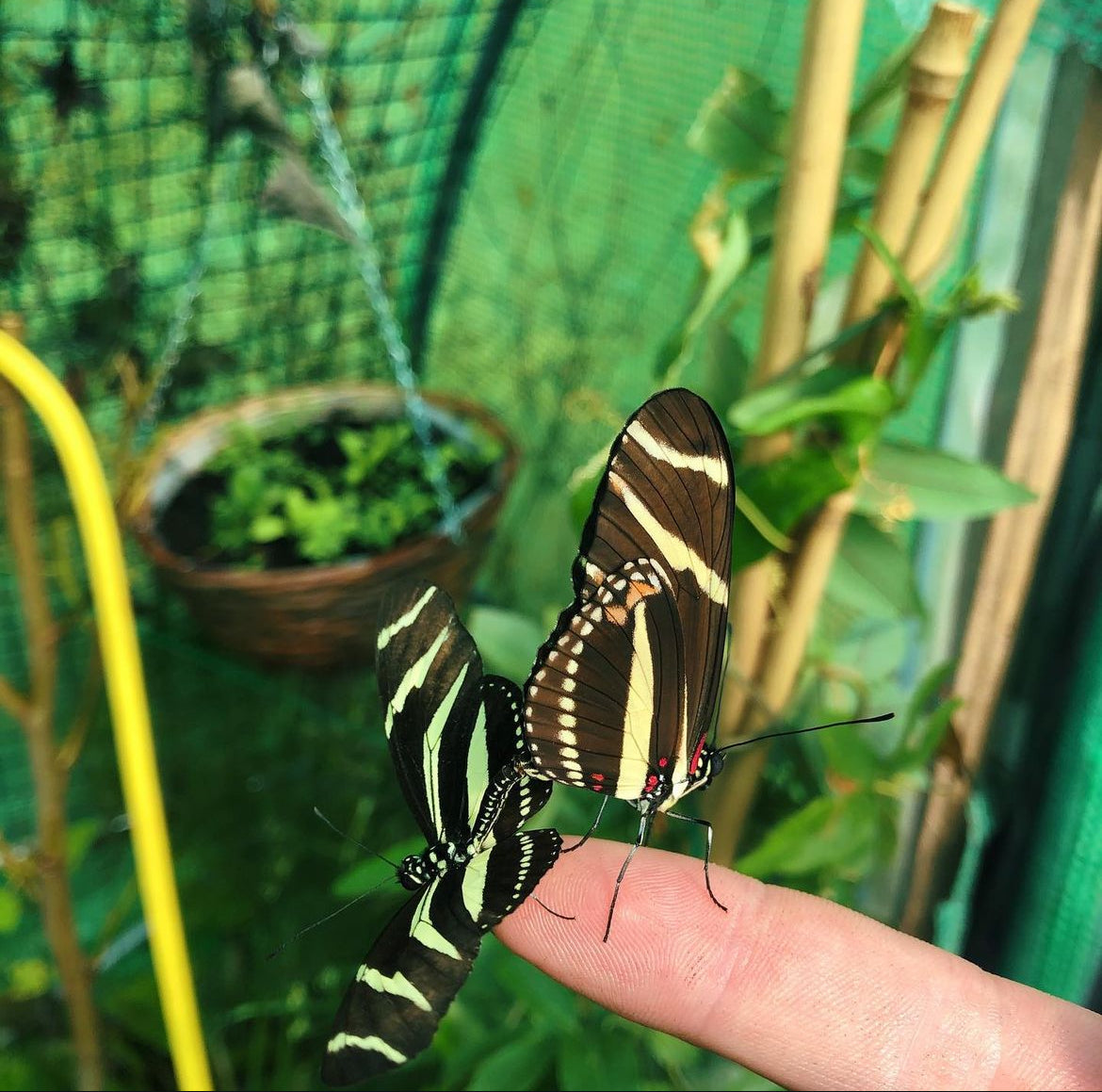
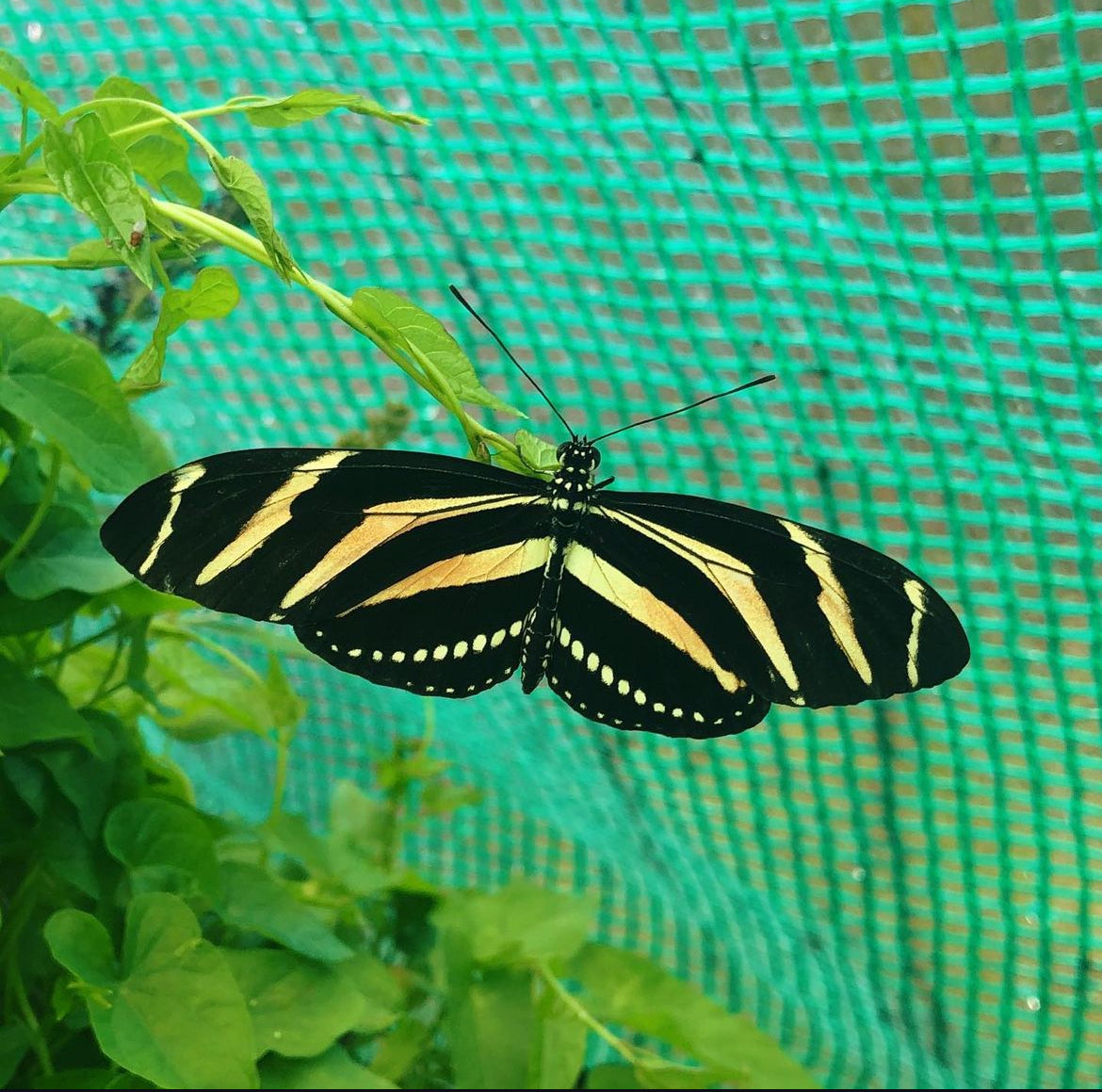
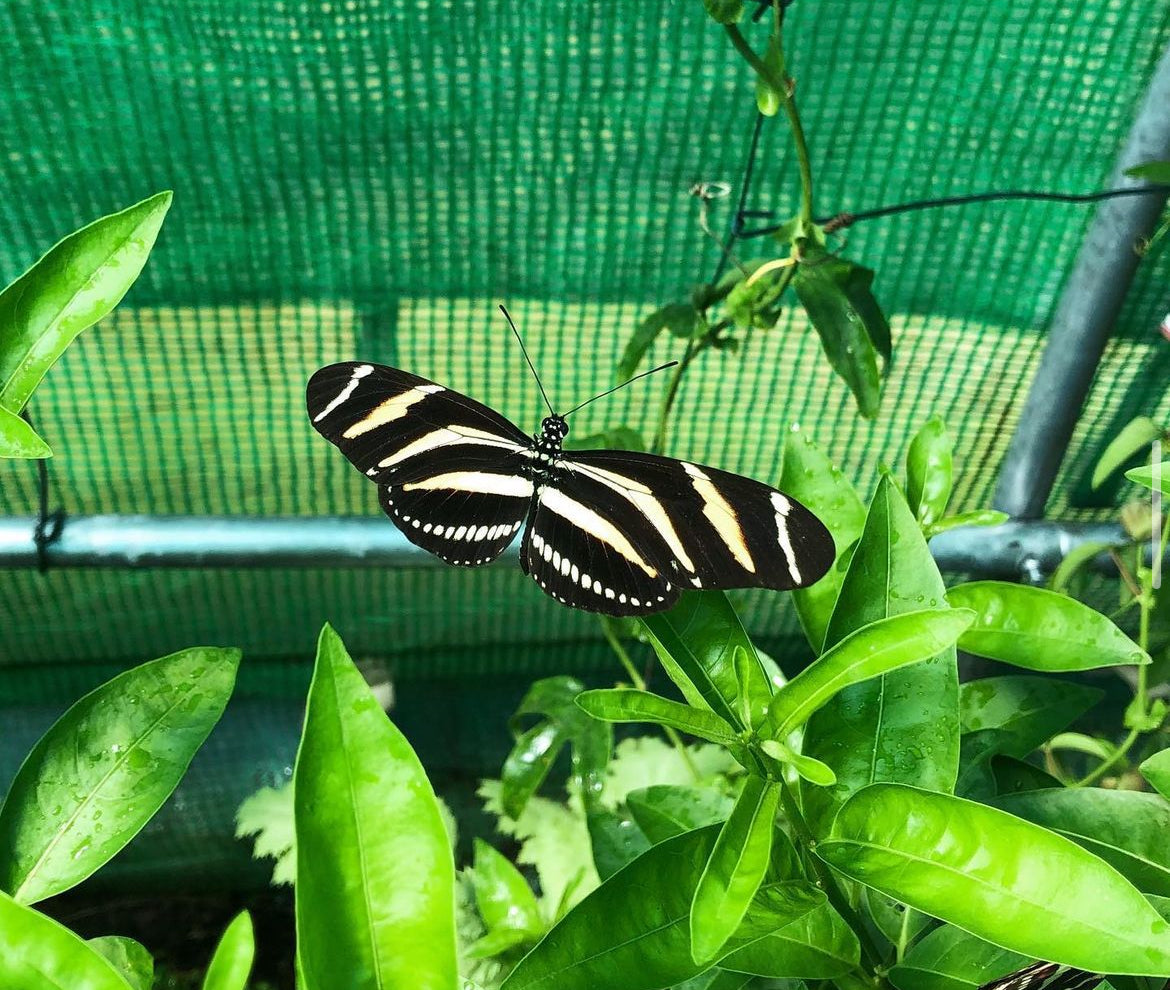
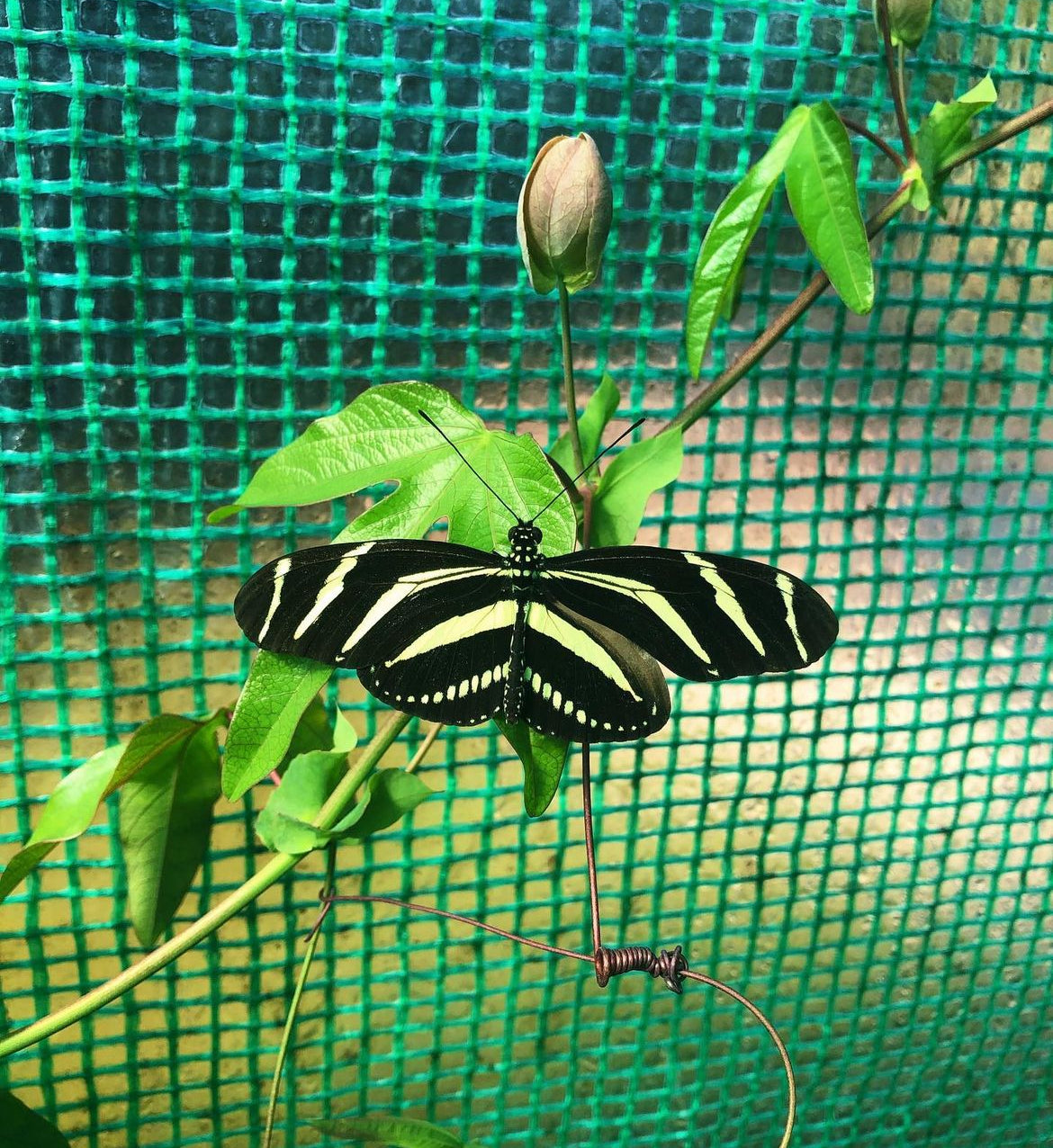
The Zebra Longwing is instantly identifiable by its elongated black wings marked with bold yellow or white stripes, creating a distinctive zebra-like pattern. Its slow, graceful flight and elegant appearance make it a favourite among butterfly enthusiasts, collectors, and educators. This species adapts exceptionally well to captive environments, making it an excellent choice for butterfly houses, exhibitions, and breeding projects.
One of the most fascinating characteristics of Heliconius charithonia is its unique diet. Unlike most butterflies, it feeds on both nectar and pollen. Pollen consumption provides essential amino acids that dramatically extend its lifespan to several months, far longer than that of most butterfly species. This nutrient-rich diet also supports enhanced reproductive success, allowing females to lay eggs continuously over a long period.
While many Heliconius butterflies are known for mimicry, H. charithonia is not itself a mimic, though it is partially mimicked by Heliconius atthis, a species more closely related to the Postman butterfly (Heliconius melpomene).
The caterpillars of the Zebra Longwing butterfly feed exclusively on Passionflower vines (Passiflora species). These host plants contain toxic compounds that the larvae absorb and retain into adulthood, making the butterflies chemically protected and unpalatable to predators. Their bold wing pattern acts as a natural warning signal, reinforcing this defence.