Bugs & Butterflies UK
White Ringed Atlas Moth EGGS (Epiphora mythimnia)
White Ringed Atlas Moth EGGS (Epiphora mythimnia)
Couldn't load pickup availability
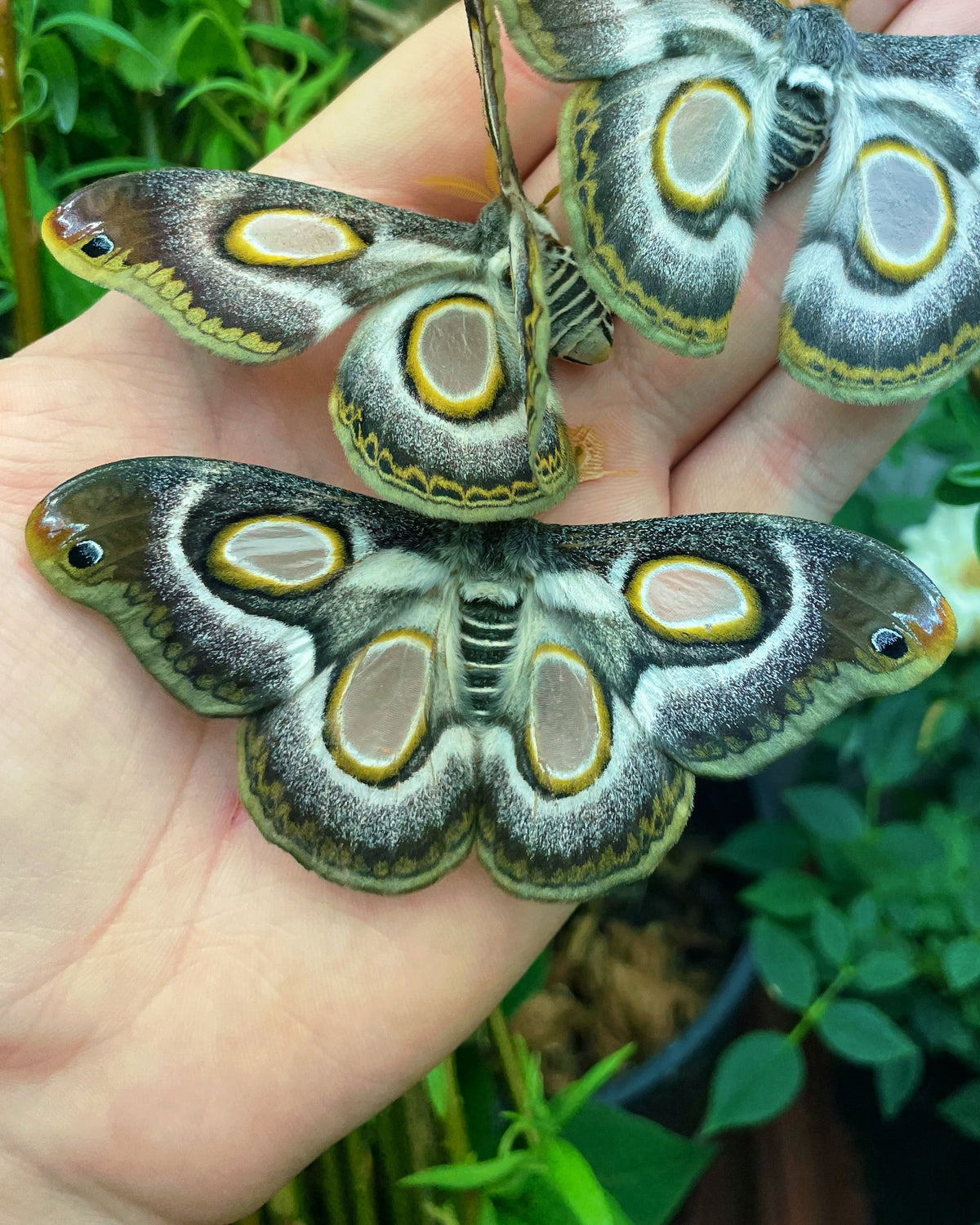
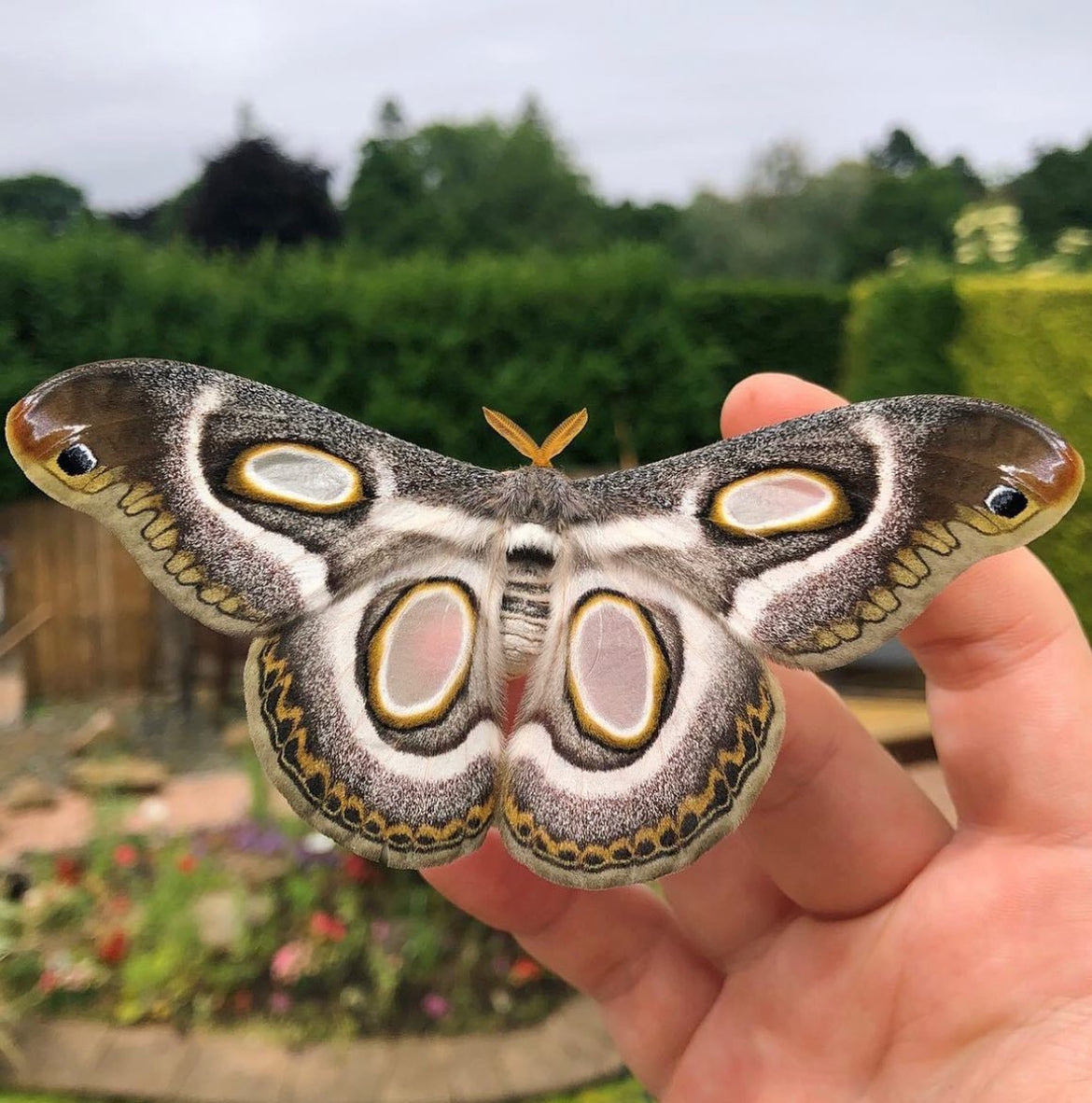
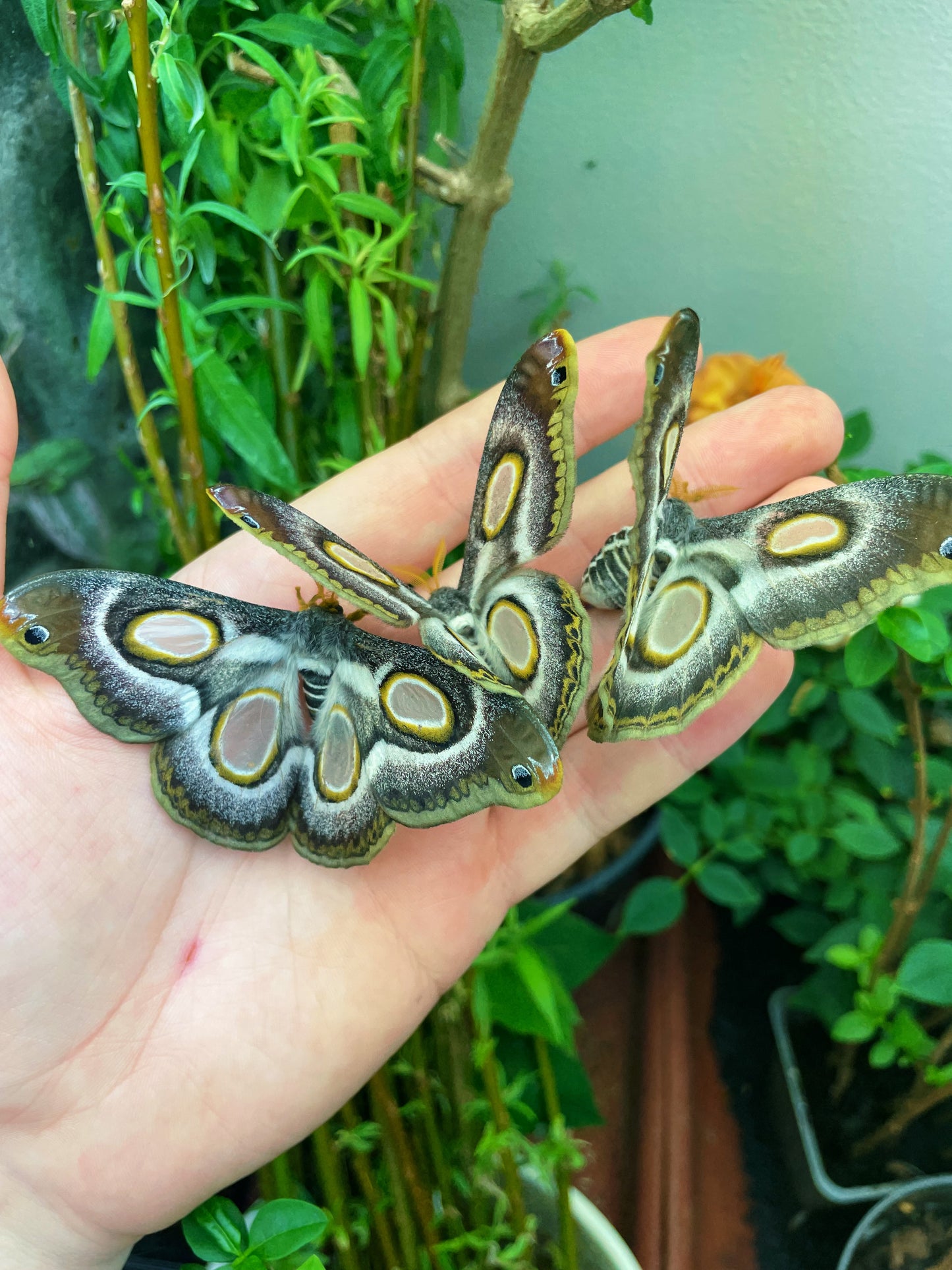
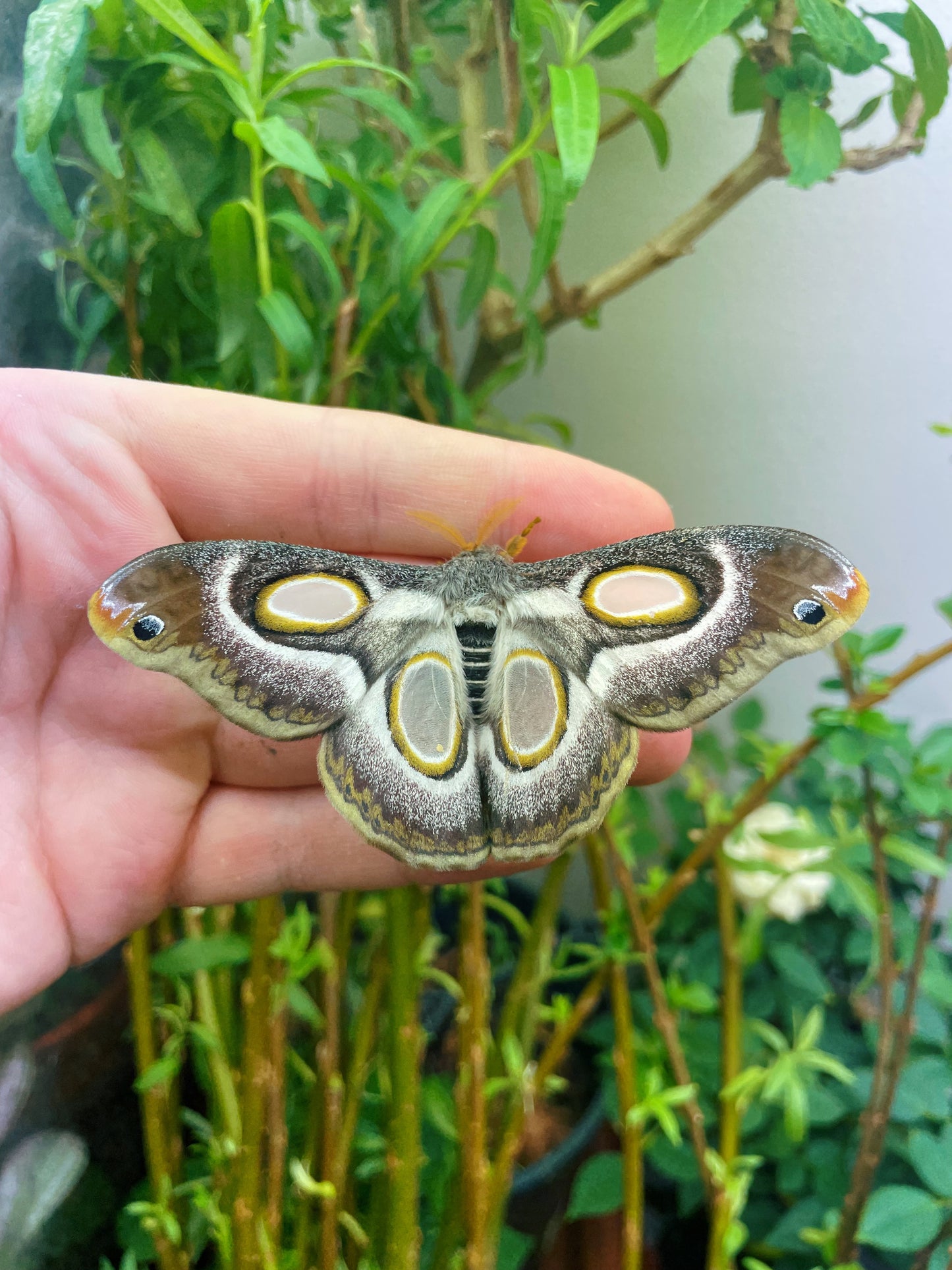
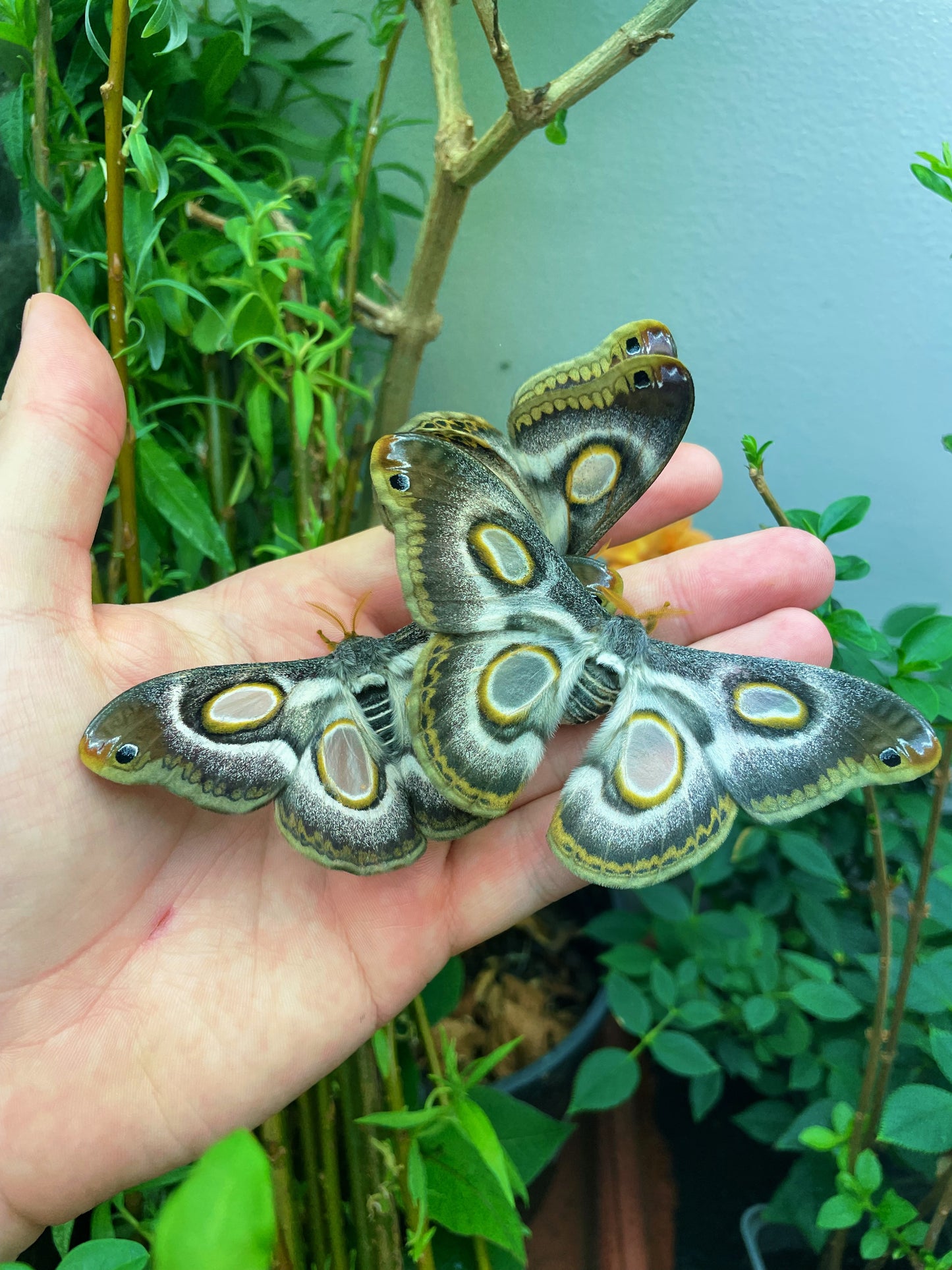
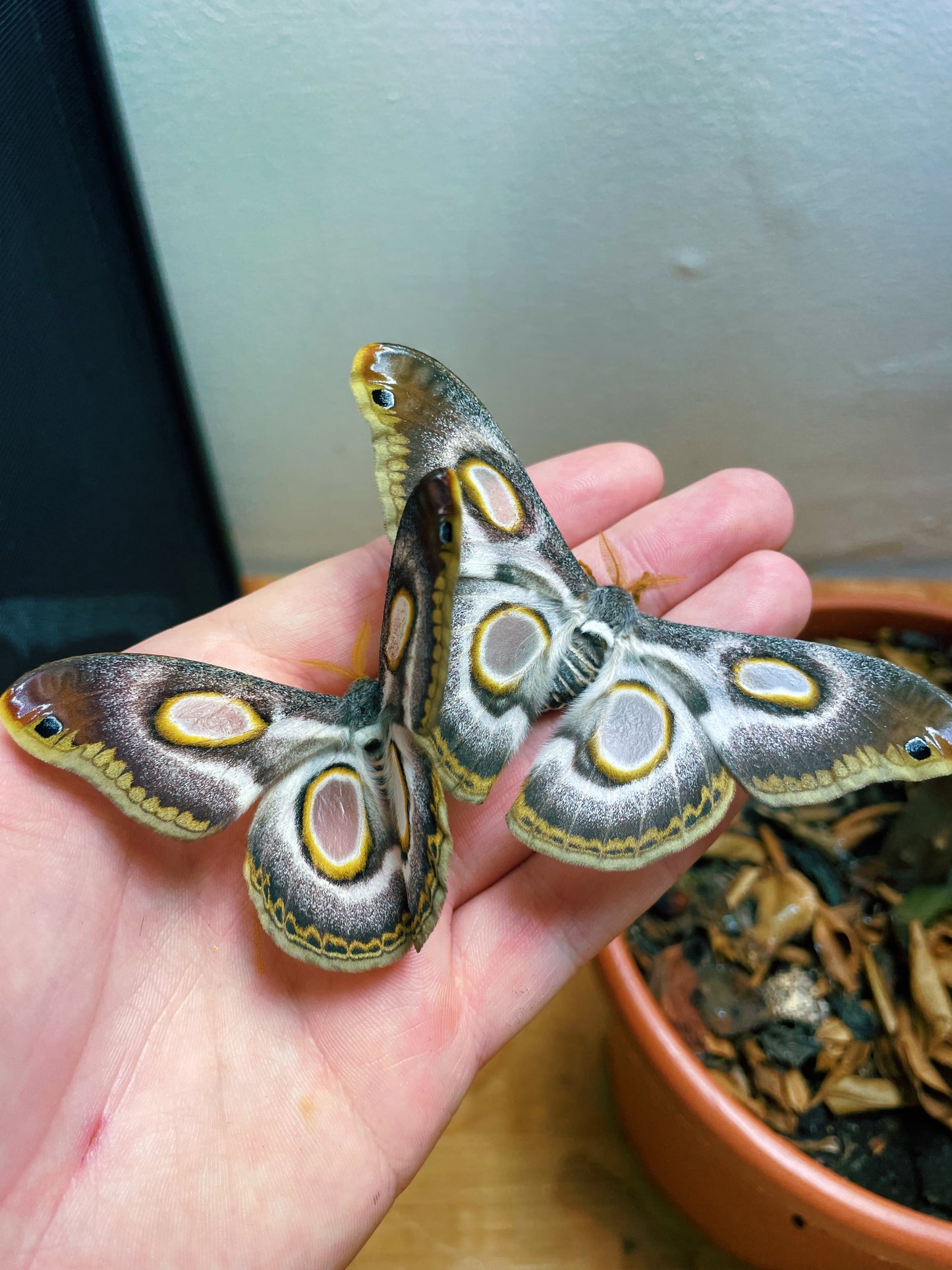
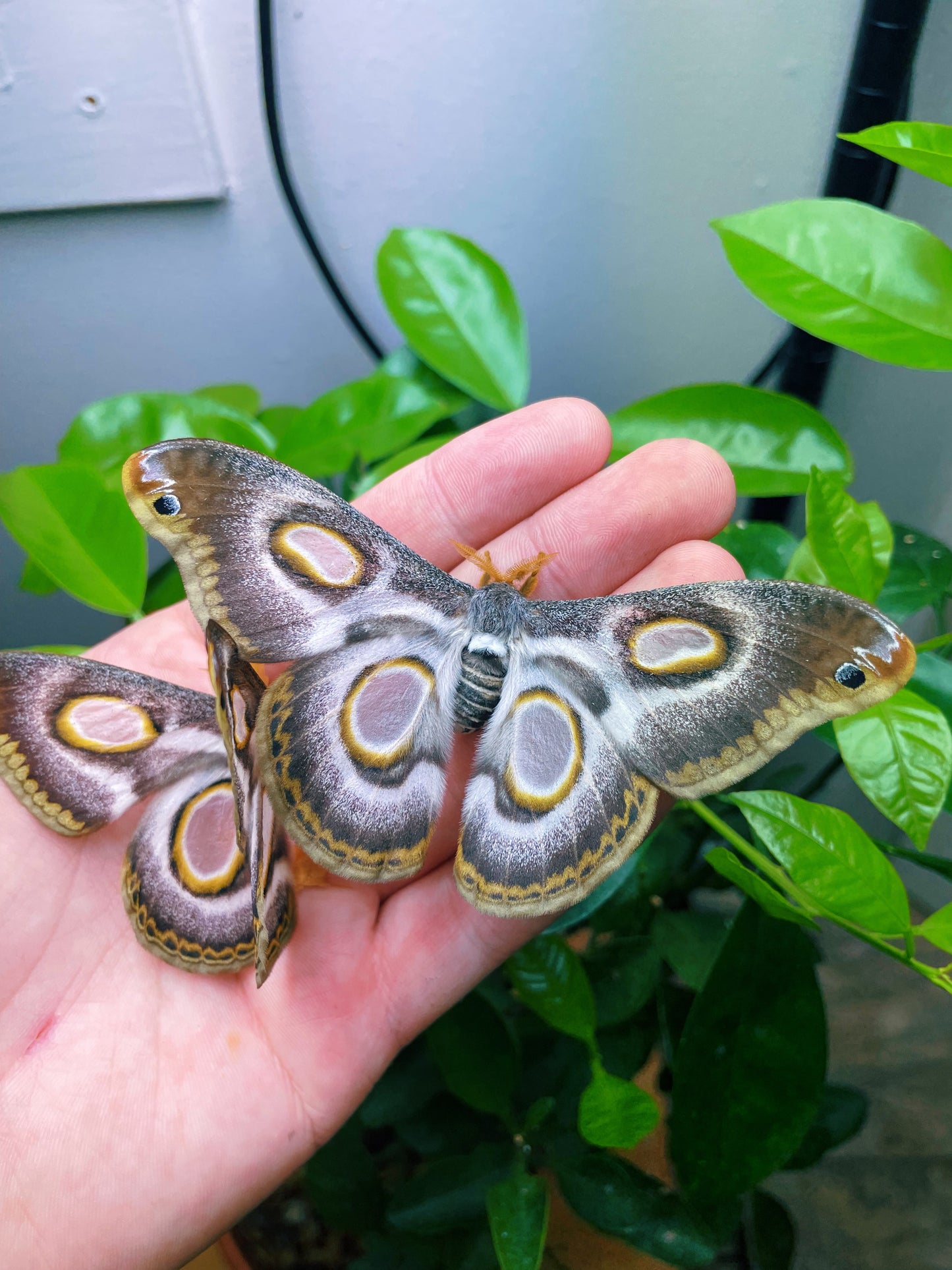
The White Ringed Atlas Moth (Epiphora mythimnia) is a striking, mid-sized species belonging to the giant silkmoth family, Saturniidae. Named for the distinctive white ringed markings on its wings, this beautiful moth is highly sought after by moth enthusiasts and breeders alike.
Adults have a wingspan of approximately 10–13 cm, with broad, rounded wings that display a refined mix of silver-grey tones and bold white rings surrounding semi-transparent wing windows. Darker edging and subtle patterning give the moth excellent natural camouflage when at rest. The body is softly furred and typically pale grey, complementing the elegant wing markings.
The caterpillars of Epiphora mythimnia resemble those of the Atlas moth (Attacus atlas) and feed on a range of host plants, including Ceanothus, Willow (Salix), and Euphorbia. While rearing outside the species’ natural range has been less commonly attempted, reports suggest larvae are fairly straightforward to rear when provided with good airflow, clean conditions, and light misting every day or two to allow drinking.
Cocoons are dense, tough, and fibrous, with a papery inner lining that offers excellent protection from environmental extremes. In the wild, this allows the species to survive unfavourable dry conditions. In captivity, adults typically emerge within 3–4 weeks when cocoons are kept warm and humid. If conditions are too cool or dry, the pupa may enter diapause, delaying emergence until conditions improve—an effective natural survival strategy.
With its elegant wing patterns, manageable rearing requirements, and resilient cocoons, Epiphora mythimnia is an excellent choice for experienced moth keepers and those looking to expand into Saturniid species.
Care & Rearing Information
- Host Plants: Ceanothus; Willow (Salix); Euphorbia
- Difficulty:
- Caterpillars: Moderate (5/10)
- Cocoons: Very easy (1/10)
- Temperature: Room temperature; warmer and humid conditions speed emergence
- Life cycle: Continually brooded; cocoons capable of overwintering